Francisco Rafael Sagasti

Francisco Rafael Sagasti
Francisco is a professor at the Pacífico Business School in Lima and a senior affiliated researcher at the Instituto de Estudios Peruanos. He has served as President of Peru, a congressman, head of his parliamentary caucus, and chairman of the Science and Technology Committee.
Founder and former Executive Director of GRADE, a leading Peruvian think tank, Francisco has published extensively, with over 200 articles and 30 books. His awards include the Paul Hoffmann Prize, the Robert K. Merton Prize, and the Edgardo Habich Prize.
Francisco joined THE NEW INSTITUTE in the Academic Year 2024/25 as an individual fellow.
Reflections on THE NEW INSTITUTE: Q&A with Francisco Sagasti
We are living in turbulent times – many people feel they can barely keep up with the pace of events. If anyone has experience with such challenges, it’s you. In November 2020, you became President of Peru – the third head of state within one week. One of your predecessors was removed from office for corruption, and his successor was forced to resign due to ongoing protests. What was your recipe for restoring stability in such an exceptional situation?
I didn’t have a ready-made recipe. If you approach such a volatile situation with a rigid plan, you’ve already lost. Events unfold too quickly and unpredictably. What you need most in a crisis is a set of intellectual resources to help you make sound decisions. In my view, there are three essential elements. First, you need a mindset – a set of ideas and beliefs with which you approach the crisis. Second, you need evidence. By this, I don’t just mean classic economic or demographic data, but also qualitative information. You have to really understand what’s going on. Third, character is crucial – the inner values and attitudes that shape you. If you develop these three elements, you have a solid framework for making wise decisions, even in difficult situations.
We’re currently witnessing in the US, but also in other countries, how autocratic politicians are pursuing a completely different leadership style than yours, attacking and even dismantling democratic achievements. Are we experiencing a turning point?
History moves in cycles. Nevertheless, I am convinced that autocratic systems don’t work in the long run. Especially in turbulent times, when everything is rapidly changing, it’s crucial to remain flexible, to listen, and to be willing to evolve. You also have to be able to inspire hope for a better future. Autocratic rulers rarely succeed at any of that. They are not adaptable, they cling to their mistakes, and they don’t listen.
A typical trait of autocrats is that they consider themselves indispensable – they believe only they can solve the problems. This is usually followed by an authoritarian leadership style: those who think they alone know the right way tend to impose their opinion on others. And often, corruption follows: those who believe they are irreplaceable often also think they deserve to be rewarded for their sacrifices.
Through threats, violence, and the ruthless use of money, autocrats sometimes manage to stay in power for a long time. But eventually, these systems collapse because they are unable to cope with change and crises.
As former Director of Strategic Planning at the World Bank and Chair of the United Nations Advisory Committee on Science and Technology, where do you see opportunities and incentives for international cooperation in the near future?
We are living in a fractured global order, which puts all of us in contact with each other around the globe and, at the same time, creates deep divisions between social groups. In this context there have emerged new challenges that are impossible to meet successfully without international cooperation. No country is going to address climate change on its own, all have to pitch in; international organized crime requires joint action by many countries; global financial stability requires coordinated or supranational regulation; pandemics cannot be dealt with by acting as if viruses and diseases do not recognize borders; and so on. We all work together or most of us will fail, even the supposedly better off and more powerful countries.
At the same time, we have entered the knowledge society, in which advances in science, technology and innovation determine economic and social wellbeing. This is a double-edged sword: they can bring great benefits or cause severe harm. Moreover, capabilities in this field are highly skewed, a few countries and large corporations dominate the creation and application of new technologies in fields like artificial intelligence, genetic engineering, sustainable energy generation, new materials, and many other areas in the frontiers of knowledge. There is an urgent need to build science, technology and innovation capabilities in those countries and regions that lack them in order to at least follow new developments, determine how to use them, and contribute to the stock of worldwide knowledge capabilities.
These are the opportunities. The main incentive is the realization that without international cooperation the whole world, rich and poor alike, will suffer the ravages of challenges that cannot be addressed individually. At the same time, working together is likely to produce widespread benefits that will forestall catastrophes that, according to some studies, may wipe out large segments of the world population, not only in poor countries, but everywhere.
At THE NEW INSTITUTE, you’ve been working as a fellow on a book about the English philosopher Francis Bacon, who was born in the 16th century and is often quoted as saying, “Knowledge is power.” Why Bacon? What can we learn from him today?
Bacon lived – like us – in turbulent times. The transition from the Middle Ages to modernity fundamentally changed the world. Bacon was convinced that we must understand nature in order to master it and improve human life. I believe we are now at the end of the “Baconian epoch.” If we destroy nature through our dominance, we also undermine the idea that we can thereby improve human life. So what comes next? How do we shape the transition?
My thesis is that we can also learn from Bacon on this question. In many debates about the future, extremes currently dominate: Are we on the brink of human extinction through artificial intelligence – or on the threshold of a golden age in which technology enables us to eradicate disease and optimize ourselves? Even Bacon had the idea that different logics and ideas can coexist – and that it is our task to work our way through them and find a viable path.
Leonard Cohen described this approach beautifully in his song “Anthem”:
“Ring the bells that still can ring / Forget your perfect offering / There is a crack, a crack in everything / That’s how the light gets in.”
I would add: “to illuminate the political darkness we are in.”
You have advised a number of think tanks, founded and directed one yourself, and have been a fellow at various institutes, such as the Wilson Center (US) and the Rockefeller Foundation's Bellagio Center (IT). What made THE NEW INSTITUTE unique?
The New Institute shared many of the features of the successful think tanks I know of. Perhaps its distinction lies in that it was able to work and bring together researchers, policymakers, and practitioners in a limited number of ambitious fields – renewing capitalism, ensuring global food security, among others – that are not usually the focus of other institutions. Also, the combination of fellows from different fields, parts of the world, and ideological perspectives working on similar topics, make TNI an unusual place.
What would you have changed?
First, it should have had more time to experiment, learn, and evaluate its performance to introduce changes and achieve greater impact. Its demise was hurried, too early and did not allow opportunities to put into practice what had been learned in just four years. All the places I know of required at least seven to eight years to hit their stride. Second, there were some mistakes in the choice of fellows, perhaps some of them were too academically minded, as I have been told, and to have top level people to remain for nine months at TNI was too much to expect. Third, policies to promote interaction were too loose and ineffective, and I think more could have been done to take advantage of the views, experiences, and diversity of the fellows. I have several organizational and operational models in mind to achieve this and could explain them in detail in another opportunity.
In your lectures at the institute, you have repeatedly said that we need to train “practical thinkers.” What do you mean by that?
It is urgent to help top intellectuals become or interact with policy- and decision-makers in the public, private, civil society, and academic sectors, and also to bring those in charge of governance, planning, and management into contact with those who generate new ideas. In the turbulent, uncertain, and ambiguous context of the twenty-first century, unless practitioners and thinkers work together, we are not going to have the required depth of understanding and knowledge to do what is required, to motivate those who make decisions to act for the common good, and to persuade citizens at large to modify their habits in ways that are beneficial, not only to them but also for the rest of society.
The concept of THE NEW INSTITUTE is to bring together practitioners and scholars from around the world to develop solutions to societal problems. What impact can such places have?
There are too few places where people from different disciplines, countries, and cultures come together so that something truly new can emerge. I consider the work of such institutes extremely important – but it is also challenging. You can make many mistakes, and it takes perseverance. Just bringing together the right mix of people is a fine art that you don’t learn in three or four years. All the more regrettable, then, that THE NEW INSTITUTE is now closing – just as it was beginning to hit its stride.
We are seeing a decline in the influence of science worldwide, and in some cases even a discrediting of academic thinking as elitist. How do you see the significance and influence of science on politics and society?
We are facing a paradoxical situation: the leading country in science and technology capabilities is reducing its funding and support for research and higher education, while other places that lag far behind are increasing them. It is essential to counteract the populist tendency to regard thinkers as useless, and to revalue the role of excellence but without catering to the isolationist and self-gratifying impulses of some academics that see themselves as better than the rest. Without respecting, promoting, and rewarding – not just economically, but with recognition and in other ways – those who improve our ways of understanding current challenges, who generate useful knowledge and find ways of putting it into practice, we are doomed. The combination of willful ignorance with self-serving prepotency and widespread callousness that characterizes and prevails in autocratic leaders at present is toxic and lethal.
What is the role of philanthropy in the academic landscape?
As governments retreat from supporting academia and knowledge generation for a variety of reasons – fiscal austerity, increases in defense spending, deliberate ignorance, misunderstandings, blindness and so on – the role of private support becomes essential and a lifeline for many worthwhile initiatives that increase our understanding of the world and contribute to improvements in the human condition.
If you could give young people one piece of advice today, based on all your experience, what would it be?
Get involved in politics – whether at the national or local level, in parties, unions, or associations. Many young people shy away from political engagement today because they see politics as corrupt or dirty, or because access seems too complicated. The problem is if the committed withdraw, they leave the field to those who are primarily power-hungry and unafraid to play hardball. Plato already knew that the price of not getting involved in politics is being governed by the worst.
Those who have met you at the institute have admired your energy and commitment. What gives you strength and confidence?
I am not sure what makes me act as I do. Over several decades I have tried to understand our predicament, where is humanity heading, what is the space for individual initiatives and collective action. My experience has shown me that no good act is wasted, that it is possible even for an individual on his or her own, to make things better for themselves and for everyone else. I remember the last lines of What I Live For by British poet George Linnaeus Banks:
For the cause that lacks assistance,
For the wrong that needs resistance,
For the future in the distance,
And the good that I can do.
I think this is the best way of facing the riddle of our contingent existence and the challenges we all face as human beings.
More Reflections
-
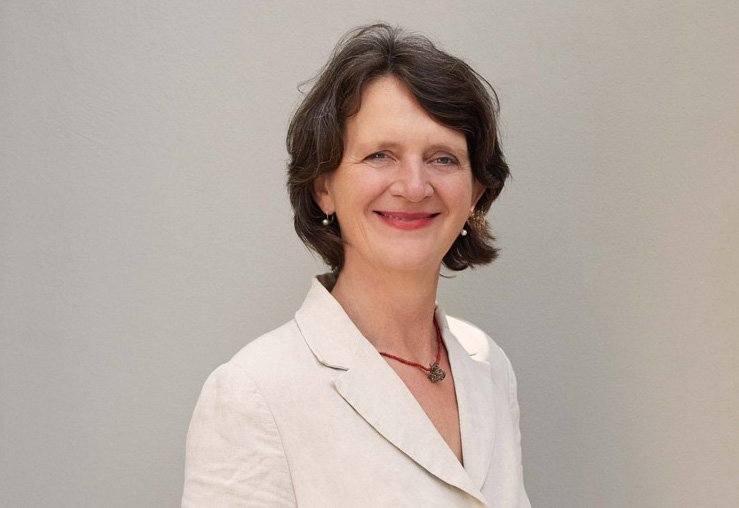
commentary
Form, Content, and Dimension of THE NEW INSTITUTEBy Britta Padberg
-
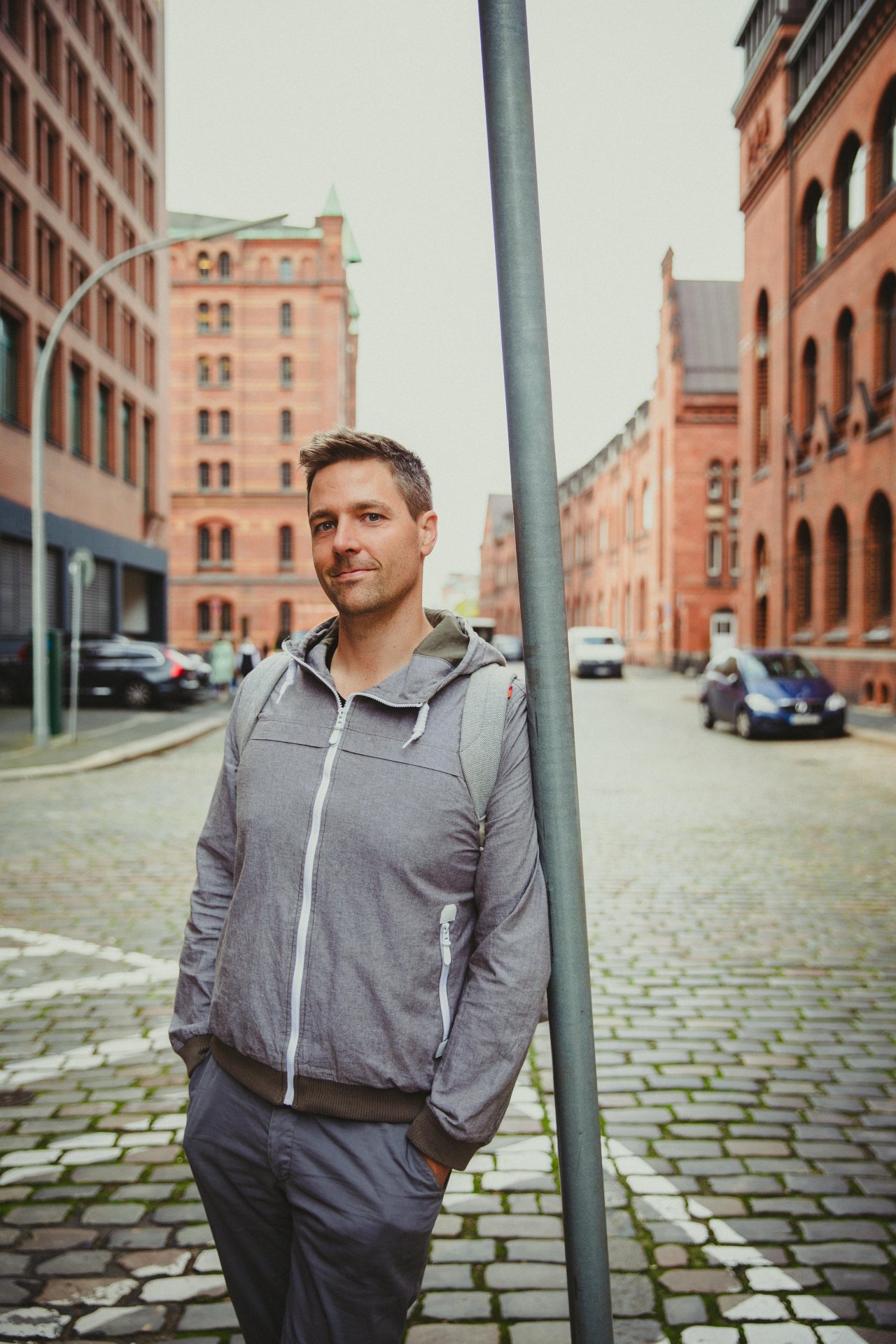
commentary
One Institute Is Not Enough: Form Follows PlanetBy Frederic Hanusch
-
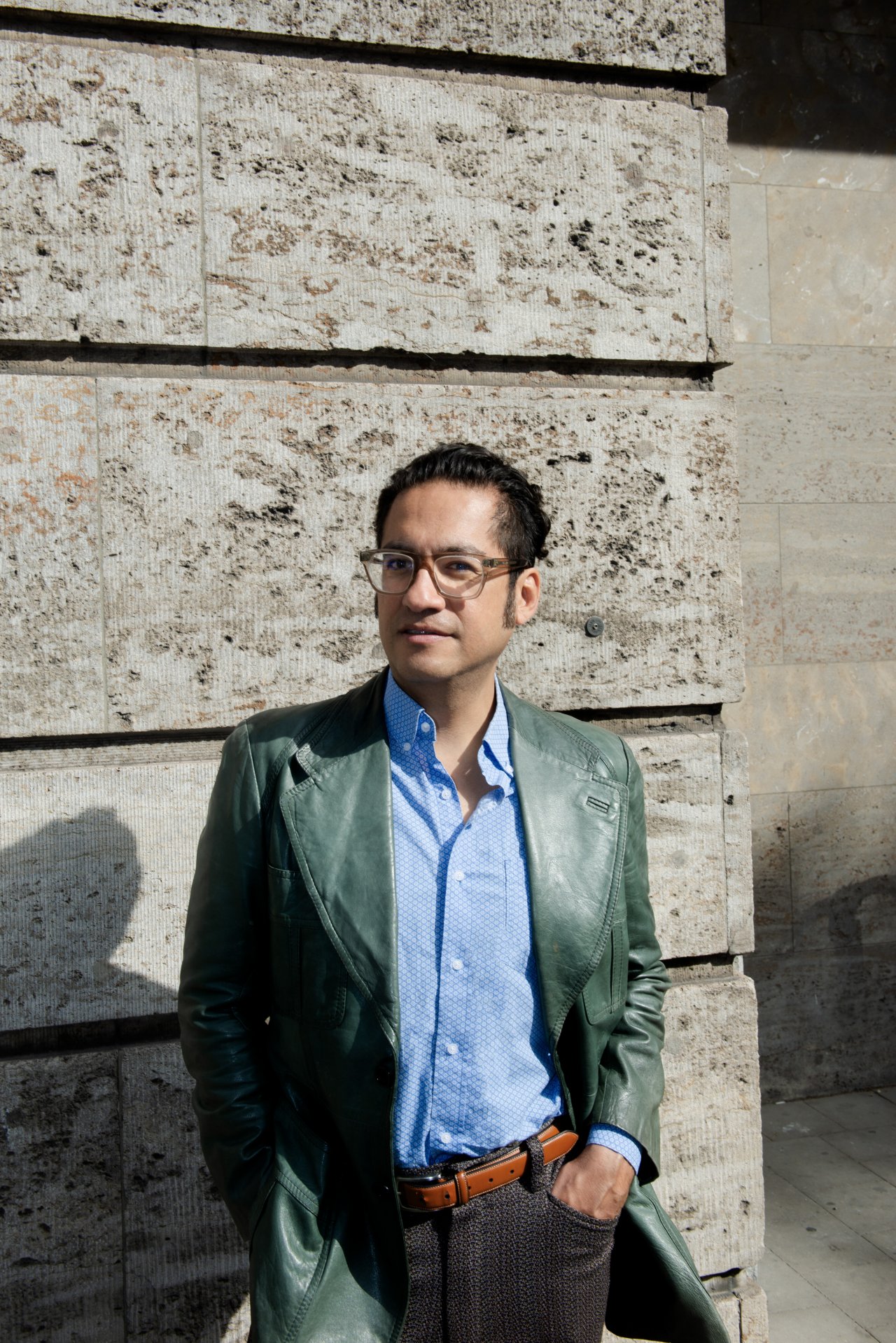
commentary
Another Magic MountainBy José Luis Chicoma
-
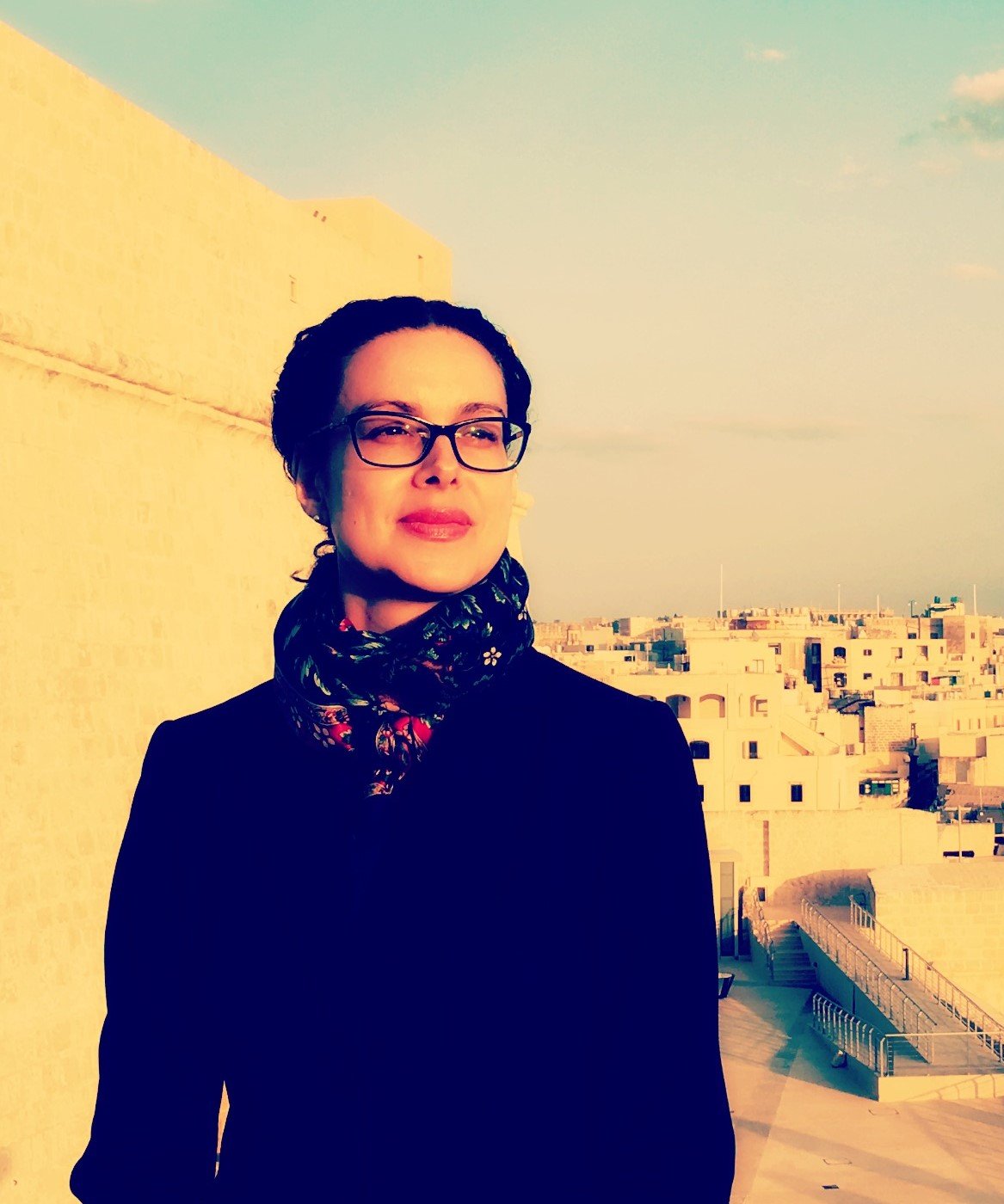
commentary
If THE NEW INSTITUTE Did not Exist, We Would Have to Invent ItBy Maja Groff
-

commentary
Rupture and RaptureBy Minna Salami